

 BACK TO AIRRIDERZ.COM
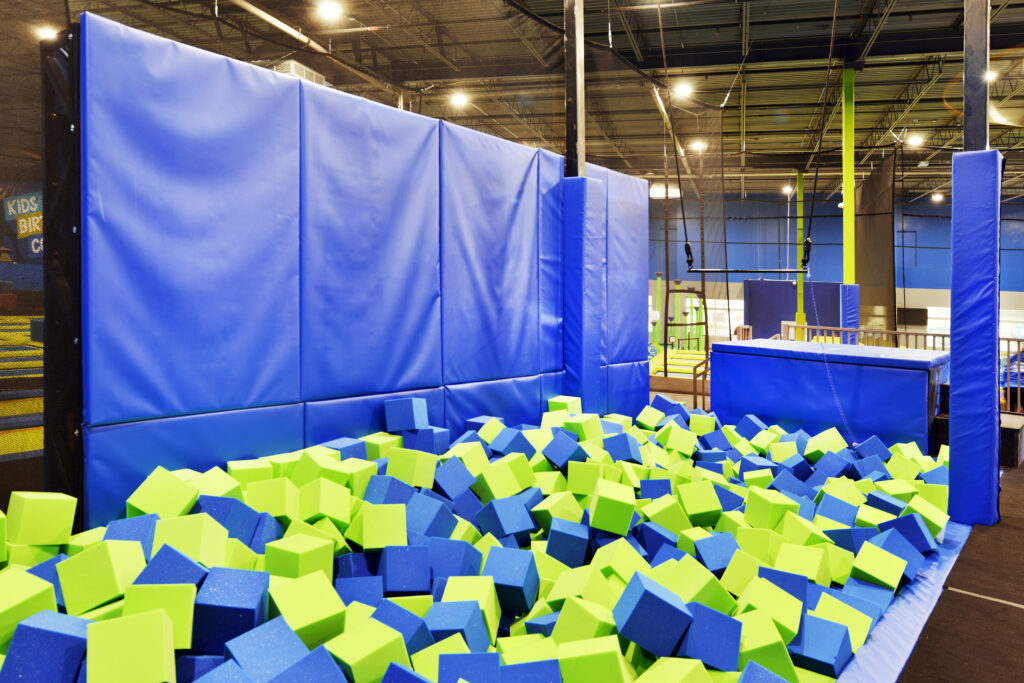


Toddlers bounce on everything already. The couch, your bed, the living room floor after too much apple juice. So, a trampoline park seems like the obvious next step, until you picture a room full of big kids flipping and racing past your two-year-old.
The good news is that a first visit can be a lot of fun for both of you with a little planning. Here’s what to expect, how to prepare, and the small details that make the difference between a happy outing and an early exit.
Pick the Right Time to Go
Timing matters more with a toddler than almost anything else. Weekend afternoons and school holidays bring crowds of older kids, and that energy can feel overwhelming for a little one.
Weekday mornings are usually the calmest option. Many parks also run dedicated toddler sessions, often called Toddler Time, when the floor is reserved for little jumpers and their grown-ups. If your local park offers one, it’s the best way to introduce a toddler to trampolines for the first time.
Work around your child’s routine, too. A tired, hungry toddler isn’t going to enjoy anything. Aim for a time after a nap and a snack, when they’re at their happiest.
Sign the Waiver Before You Leave Home
Most trampoline parks require a signed waiver for every jumper, and for children it typically has to be signed by a parent or legal guardian. Doing it online the night before saves you from filling out forms at a kiosk while juggling a toddler, a diaper bag, and your car keys.
If another adult, like a grandparent or nanny, is taking your child, check the park’s rules first. Some only accept a parent or guardian’s signature.
What to Dress Them In
Comfortable, stretchy clothes that are easy to move in work best. Avoid anything with zippers, buttons, belts, or hard embellishments that could scratch someone, and leave jewelry and hair clips with sharp edges at home.
Most parks require grip socks on the trampolines, so check whether they’re included with admission or need to be bought on site. Regular socks are slippery, and bare feet usually aren’t allowed.
If your toddler is still in diapers, a fresh change right before jumping is a smart move. Bouncing and full diapers aren’t a great mix.
Pack a Small Bag
You don’t need much, but a few items help:
- A water bottle
- A small snack for after jumping
- Wipes and a spare change of clothes
- Diapers and a changing pad, if needed
- A favorite comfort item for the drive home
Check the park’s food policy before bringing snacks inside, and leave bulky toys at home so they don’t end up on the trampolines.
What Happens When You Arrive
Plan to arrive 15 to 20 minutes early. You’ll check in, confirm your waiver, get socks or wristbands, and stash your belongings. Many parks also show a short safety briefing or post their rules near the entrance.
This is a good moment to walk around with your toddler before jumping. Let them watch other kids, point out the colors and shapes, and get used to the noise. A minute or two of looking often makes a nervous child much more willing to try.
Expect Some Hesitation
Not every toddler runs straight onto the trampoline. Some will cling to your leg for the first ten minutes, and that’s completely normal. The surface feels strange under their feet, and the sounds and movement are a lot to take in.
Start slowly. Hold their hands and do small bounces together, or let them sit and feel the trampoline move. Celebrate tiny wins. Within a few minutes, most toddlers figure out that bouncing is fun, and you may have trouble getting them to leave.
Toddler Safety Basics
A trampoline park in Toronto or anywhere else will have its own rules, but a few basics apply everywhere:
- Stay in toddler-friendly areas. Keep little ones on trampolines and zones meant for their size, away from dodgeball courts, ninja courses, and areas where older kids are doing tricks.
- One jumper per trampoline. Most injuries happen when kids of different sizes share the same surface. A heavier jumper can launch a smaller child off balance.
- No flips or stunts. Toddlers should stick to simple bouncing, sitting, and crawling.
- Stay within arm’s reach. Even with staff watching the floor, you’re your child’s best spotter. Keep your phone in your pocket and your eyes on them.
- Take breaks. Little bodies tire quickly, and tired legs lead to tumbles. A short rest and a sip of water every 15 minutes or so keeps things safe.
If your child has any health concerns that might affect jumping, check with your doctor before the visit.
How Long to Stay
Toddlers have short attention spans and short energy tanks. For a first visit, 30 to 45 minutes of jumping is usually plenty. Leave while they’re still having fun, rather than waiting for the meltdown. They’ll remember the visit as a good one and look forward to coming back.
If you’re choosing a trampoline park in Toronto for regular visits, look for one with a variety of attractions so your child can grow into new activities as they get older. A toddler who starts with gentle bouncing may be ready for climbing walls and obstacle courses in just a few years.
After the Visit
Expect a sleepy, happy toddler on the drive home. Many parents find a trampoline session is one of the most reliable ways to set up a great nap or an early bedtime. Offer water and a snack, and talk about their favorite part. It helps them process the experience and builds excitement for next time.
Bring Your Little Jumper to Air Riderz Vaughan
At Air Riderz Vaughan, we welcome jumpers of all ages across more than 15,000 square feet of trampolines. Little ones can enjoy Toddler Time and our indoor playground, while trained staff monitor the park and our equipment is inspected regularly. As your child grows, they’ll find plenty more to explore, from the Climb Zone and Ninja Warrior Course to the Interactive Valo Jump.
