
Blog
Statistical Analysis Resources Cash or Crash Live Tracking for Canada Users

For any person in Canada playing cash or crash live card withdrawal or Crash Live, that exciting rise of the payout multiplier is tough to top. But what takes place when you match that adrenaline with a bit of data? Transitioning from intuition to a fact-based strategy can transform how you gameplay. This article explores the actual tools and approaches for monitoring statistics. Such resources can provide you a better understanding of patterns, help you regulate your play, and support better selections during the live session.
Why Statistical Analysis Matters for Live Game Shows
A game like Cash or Crash Live seems like pure luck. The multiplier rises, it crashes, and the suspense is live. Yet every single round produces information: the exact point it crashed, how long each segment lasted, the colors that appeared. Analysis tools process this data to reveal frequencies and distributions. For a Canadian player who likes to analyze, this isn’t about discovering a secret formula to win every time. It’s about developing a more disciplined and clear-eyed approach to how you play and how you deal with your money.
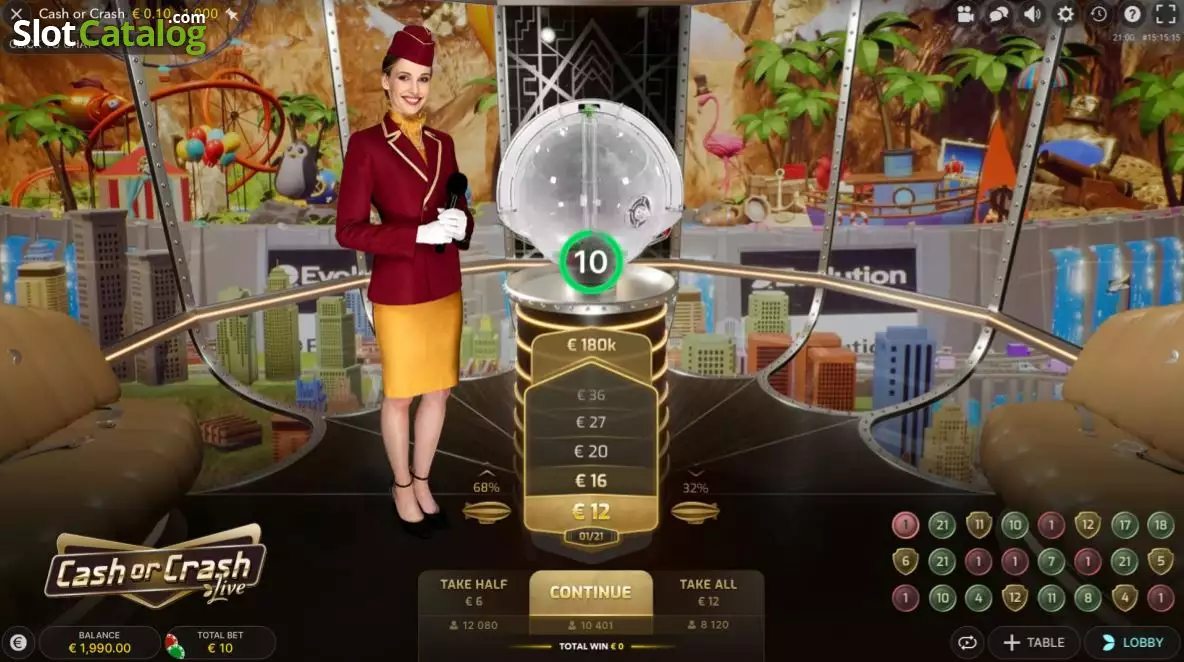
Getting a grip on statistical tendencies helps set realistic expectations. It takes the mystery out of randomness by attaching numbers to it. This understanding helps with crafting personal tactics, like choosing where to set an auto-cashout or recognizing when a session is particularly volatile. The shift is meaningful: you go from just seeing things happen to engaging with more awareness. That mindful approach is a fundamental principle of responsible gaming here in Canada.
Key Metrics to Track in Cash or Crash Live
Proper tracking begins by recognizing what to track. The critical number is the crash multiplier for every round. Writing this down reveals the spread. You’ll see how commonly the game stops on a low crash point versus those rare, high-paying ones. Another useful metric is the sequence of color segments. You can look for short-term trends in the green, yellow, red, and blue segments, despite the fact that each result is unrelated.
Be sure to record your own activity. This involves your win/loss ratio per play session, your typical payout multiplier, and your aggregate return over multiple plays. Measures about your self-control are equally important. Did you adhere to your predetermined loss cap? Did you halt after achieving a profit goal? Tracking these points is what makes play sustainable for the long haul.
The Fallacy of Patterns in Results and True Randomness
Let’s clear up a common misconception immediately. In a truly random game, past results do not influence the future. No statistical tool can predict when the next round will crash. Its purpose is to reveal the long-run behavior of the game’s engine. Canadian users should understand: observing ten consecutive low multipliers does not mean a high one is ‘due.’. It just shows you a streak, which is a normal part of a large set of random outcomes.
The human mind are designed to find patterns where none are present, a phenomenon called apophenia. Statistical tools fight this instinct by delivering plain data. They demonstrate that while streaks arise, they still fit inside a context of randomness. This evidence-based understanding is a powerful defense against chasing losses or succumbing to superstitions. It fosters healthier habits at the game.
Responsible Play and the Limits of Analysis

Useful as they are analytical tools may be, they need to sit within the essential framework of safe play. For players in Canada, comprehending the boundaries of data is as crucial as applying its findings. No statistical analysis can negate the casino’s edge or guarantee profits in a gambling game.
The main goal of these tools should be to boost your knowledge and foster discipline, not to search for a elusive “winning system.” Bear in mind that all licensed live dealer games in Canada, including Cash or Crash Live, use verified Random Number Generators for their fundamental results. This assures each event is unpredictable and honest. Statistics summarize what already happened. They don’t command what happens next.
Data as a Guide, Not a Crystal Ball
The essential takeaway is: statistical analysis gives you a guide to likelihoods, not certainties. It shows you what *can* happen and the rate at which it *has* occurred. It cannot tell you what the future holds. Mistaking chance for assurance is a recipe for disaster. Canadian gamblers should use data to manage their anticipations and their bankroll, not to try to outsmart the random number generator.
A healthy relationship with data means embracing variance. Even with a completely precise historical distribution, your near-term performance will fluctuate widely away from the average. A reliable approach accounts for these expected variations. It should never include chasing losses in a foolish attempt to coerce the statistics back to their theoretical average.
Combining Tools with a Healthy Mindset
The final objective is to weave analytical tools into a stable and responsible gaming mindset. This entails defining strict limits on time and losses before you start gaming. Treat any wins as a nice bonus. Avoid gambling with money you depend on for rent, bills, or groceries. Gamblers in Canada have access to excellent responsible gambling tools. Utilizing statistics should complement these tools, not take their place.
If analyzing data or running calculations starts to seem like work, leads to worry, or triggers fixation about the game, rest. The casino live show is supposed to be enjoyable and communal. Data analysis tools should enhance that enjoyment by offering a dimension of mental stimulation. They should never become a source of pressure or false hope.
Kinds of Data Utilities and Observation Approaches
Canada’s players have a few distinct methods for studying Cash or Crash Live records. You can begin with fundamental manual logs to increasingly complex programs. Your best pick is based on how technically skilled you are and the amount of time you dedicate. The aim is always the same: obtain helpful information without spoiling the fun of the game’s anticipation and community vibe.
Hand Tracking and Tables
The simplest approach to start involves logging outcomes manually. Use a notepad or create an electronic sheet in Google Sheets or Excel. Record the data per game. Essential fields should include Round Number, Crash Rate, and Segment Color. Over time this collection of information turns into remarkably helpful. With knowledge of basic functions, the table can automatically work out means, occurrences, and even create visualizations of the distributions.
This active technique comes with a bonus: it forces discipline and thoughtful gameplay. The mere action of writing down every game slows the pace, providing time to think ahead of your next decision. It becomes a private game log that documents not only outcomes, but also the evolution of your strategy and your reactions changed over time. That’s gold for genuine self-assessment.
Third-Party Applications and Browser Extensions
If you’d rather streamline the procedure, explore external statistical tools and browser extensions. These programs operate silently, recording round data straight from the play area. They create real-time stats, histograms of bust points, and charts of latest patterns on their own. This gives you a lot of time and lets you zero in on the game itself.
Players in Canada should be careful in this regard. Do your research before you install any outside programs. Only use tools from sources you trust, and make sure they adhere to the operator’s terms of use. Security is the top concern. It should never request your credentials or disrupt the gaming software beyond reading what is already shown on your display.
Community Information Hubs and Online Communities
The crowd also holds power. Various sites and communities collect round data from countless sessions, submitted by players worldwide. Digging into these extensive communal databases can reveal a much sharper image of the game’s statistical model than one person could assemble on their own.
To Canadian players, becoming part of these groups provides two benefits. You get access to a huge pool of data, and you can talk shop with other players. Such discussions can introduce you to various methods of analyzing statistics and highlight frequent errors. It’s an excellent method to expand your knowledge. Just be sure to check the credibility of the source before you take its data as gospel.
Starting Out with Your Personal Tracking
Initiating a data recording routine for Cash or Crash Live is straightforward. Canadian gamblers can get started at virtually no expense. The secret is to stay consistent and have a clear motivation. Start small, concentrate on a few key numbers, and let your method develop as you find out which details really aid your individual approach to the game.
A Simple Initial Structure
Initially, start a new sheet. Make columns for: Date and Time, Round Number, Bet Amount, Your Payout Multiplier (or write “Crashed”), Crash Point, and Remarks. For the first 100 rounds, simply record the data. After that, use basic functions to find averages and build a simple bar chart. Show how many times the game crashed within certain ranges. Consider 0-1x, 1-2x, 2-5x, and 5x or more.
This initial dataset will quickly show you the game’s basic shape. Don’t neglect the “Notes” column. Utilize it for personal observations. Did you feel impatient? Did you deviate from your strategy? Merging these subjective observations with the raw data provides a comprehensive overview of your playing. That’s incredibly useful for tightening up both your strategy and your discipline.
Advancing Your Analytical Approach
After you are at ease, you can add more detailed metrics. Determine your profit to player for a playing session by calculating the ratio of money returned to money staked. Record your outcomes across different days and times. Search for connections between your mood recorded in notes and the quality of your choices.
Your tracking system should evolve as your understanding grows. The goal isn’t to build a massive, overwhelming database. It’s to create a personalized dashboard that highlights the numbers that matter most to you. Maybe you want to prolong your gaming session. Maybe you want to achieve particular multiplier milestones. Or perhaps you just wish to maintain a fixed entertainment spending limit. Make your record-keeping reflect that objective.
Applying Statistical Insights to Gameplay Strategy
Collecting data is just step one. The actual payoff comes from using it intelligently. Let statistical insights inform your strategy, not dictate rigid commands. The main idea for Canadian players is to utilize facts to support disciplined money management and personal goals. This introduces a layer of control to a game that’s fundamentally based on chance.
Fund Management and Risk Assessment
Examining your win rates and multiplier distributions immediately contributes into sensible bankroll management. When you understand how regularly different outcomes pop up, you can more effectively judge the risk of your bet sizes. For example, your data might show that a 10x multiplier hits about once every 20 rounds. That knowledge assists you to calibrate your bets so you can withstand the expected dry spells without exceeding your budget.
This numbers-based approach to bankroll management is a essential part of playing responsibly. It prompts you to see your gaming funds as a set budget for entertainment, not an investment for certain growth. Defining session limits based on statistical expectations, rather than on a hot streak or a gut feeling, is a smart move for any player.
Establishing Informed Cashout Points
One of the easiest uses of monitoring data is choosing your auto-cashout multipliers. By examining the past distribution of crash points, you can determine the probability of the game attaining certain points. Imagine your data reveals the multiplier crashes before hitting 2x about 50% of the time. You may choose that an auto-cashout at 1.9x will guarantee regular, smaller wins.
Conversely, a player risk-tolerant might go for less frequent but higher multipliers, like 5x or 10x, aware they’ll hit less commonly. The idea is that the decision is derived from past frequency, not a random guess. This enables Canadian players consciously match their play style to their own appetite for risk vs reward.
Recognizing Volatility patterns and Session Scheduling
Data tools can enable you identify periods of high volatility. These represent swings between very high and very low multipliers. At other times, the game might appear more stable. Some players seek out volatile periods for a chance at big profits. Other players prefer calmer gameplay. Tracking might reveal some rough patterns in session volatility, but this isn’t a predictive science.
Furthermore, reviewing your gameplay data may reveal the ideal length for your sessions. If your records suggest you start making rash decisions once about 45 minutes have passed, use that insight. Define a clear duration. This kind of self-awareness, derived from your personal data, serves as a useful method to maintain fun and discipline.
Strengthening the Canadian Player
Statistical analysis and tracking tools give Canadian Cash or Crash Live players a powerful way to enhance the game. By turning raw outcomes into clear data, you can cultivate a more structured, informed, and ultimately more fulfilling approach. This process reveals the game’s mechanics and reinforces the habits of conscious play and smart bankroll management.
The path from recreational viewer to an strategic participant is a gratifying one. It brings a rich layer of tactics to the live thrill. Never forget, though, that the essence of the game is its unpredictable excitement. Use statistics as a tool to analyze the show’s dynamics and your own tendencies. Always keep responsible gaming front and center. For players from Vancouver to Halifax, this balanced approach keeps the experience enjoyable, engaging, and securely under your control.
© Copyright 2017 Air Riderz. All rights reserved.